
Building permission: what it involves
It is more than a stamp. Permission is the result of design, documentation and coordination that begins before the first sketch.
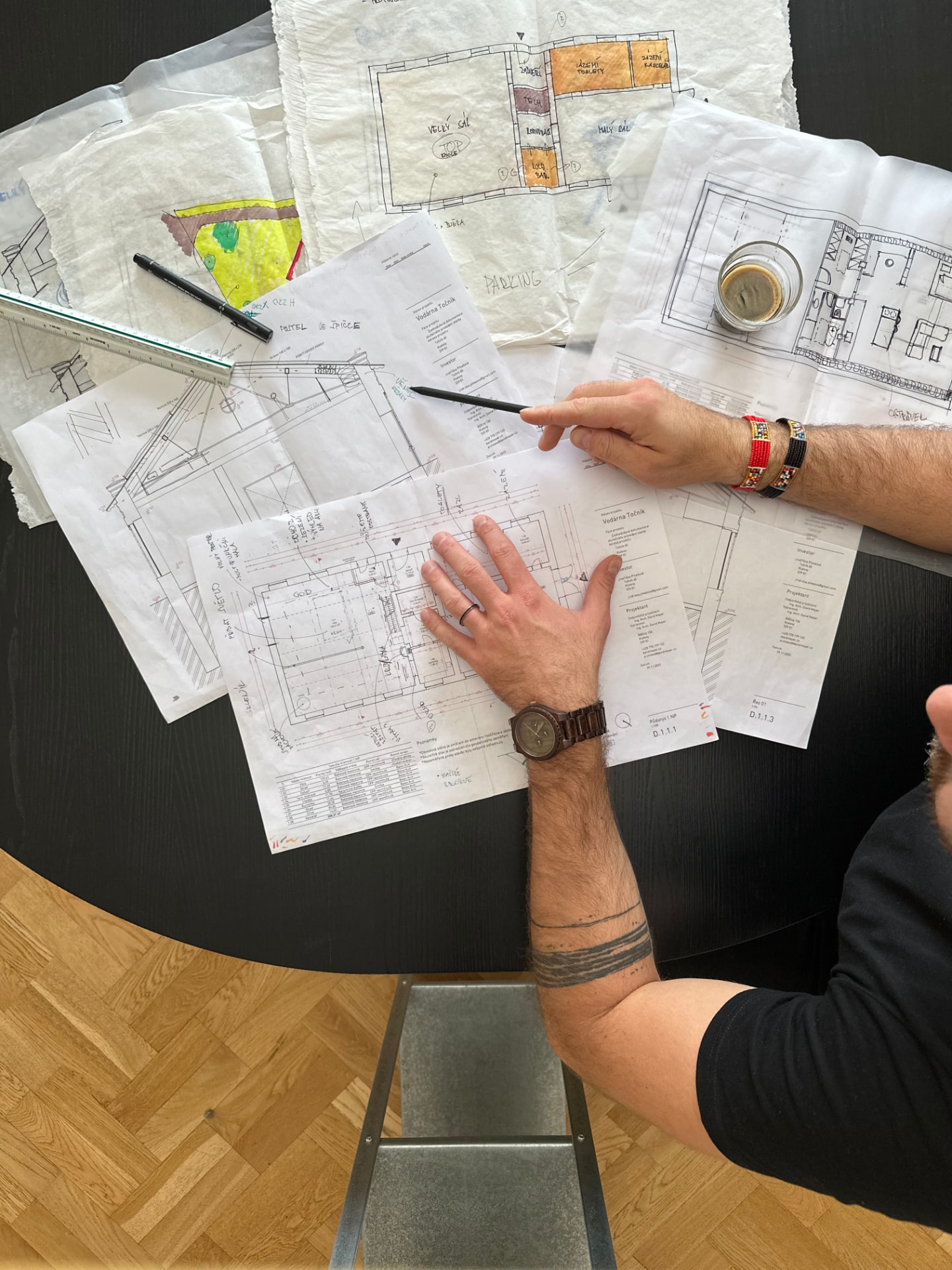
Check first, design second
Before buying a site or substantially altering a house, establish what is possible. Planning rules, road access, utilities, protective zones and heritage restrictions may influence both the design and its feasibility.
Not every minor alteration requires permission. The classification of a particular project must still be checked against current regulations: a small floor area alone does not mean you can build without further conditions.
What supports an application
The basis is usually permit-stage documentation appropriate to the project. Depending on the circumstances, it is supported by evidence of rights to the land, utility operators' statements and relevant authorities' opinions. Requirements differ for a new home, renovation or change of use.
In certain circumstances the building authority can obtain some statements itself. In practice, resolving dependencies early remains useful: missing or conflicting documents may require an application to be supplemented and extend the preparation period.
One procedure still needs coordination
The new Czech Building Act uses a project permit that, for ordinary buildings, combines assessment of siting and permission to build. It does not remove safety requirements, consideration of surroundings or participants' rights.
Timing depends on the building category, completeness of the application, local circumstances and possible objections or appeals. Statutory deadlines are therefore not a reliable promise of a construction start date. A programme needs a sensible allowance.
Preparation does not end with permission
Once a decision is issued, check its conditions, legal effect and any further obligations before starting work. Permit documentation may not contain all the details needed for accurate pricing and good construction.
The exact procedure must be checked for each project. This article is an introductory overview, not legal advice or a definitive checklist of every attachment.