
Wabi-sabi: beauty beyond perfection
The patina of wood, an irregular surface, changing daylight. On spaces that welcome time rather than fight it.
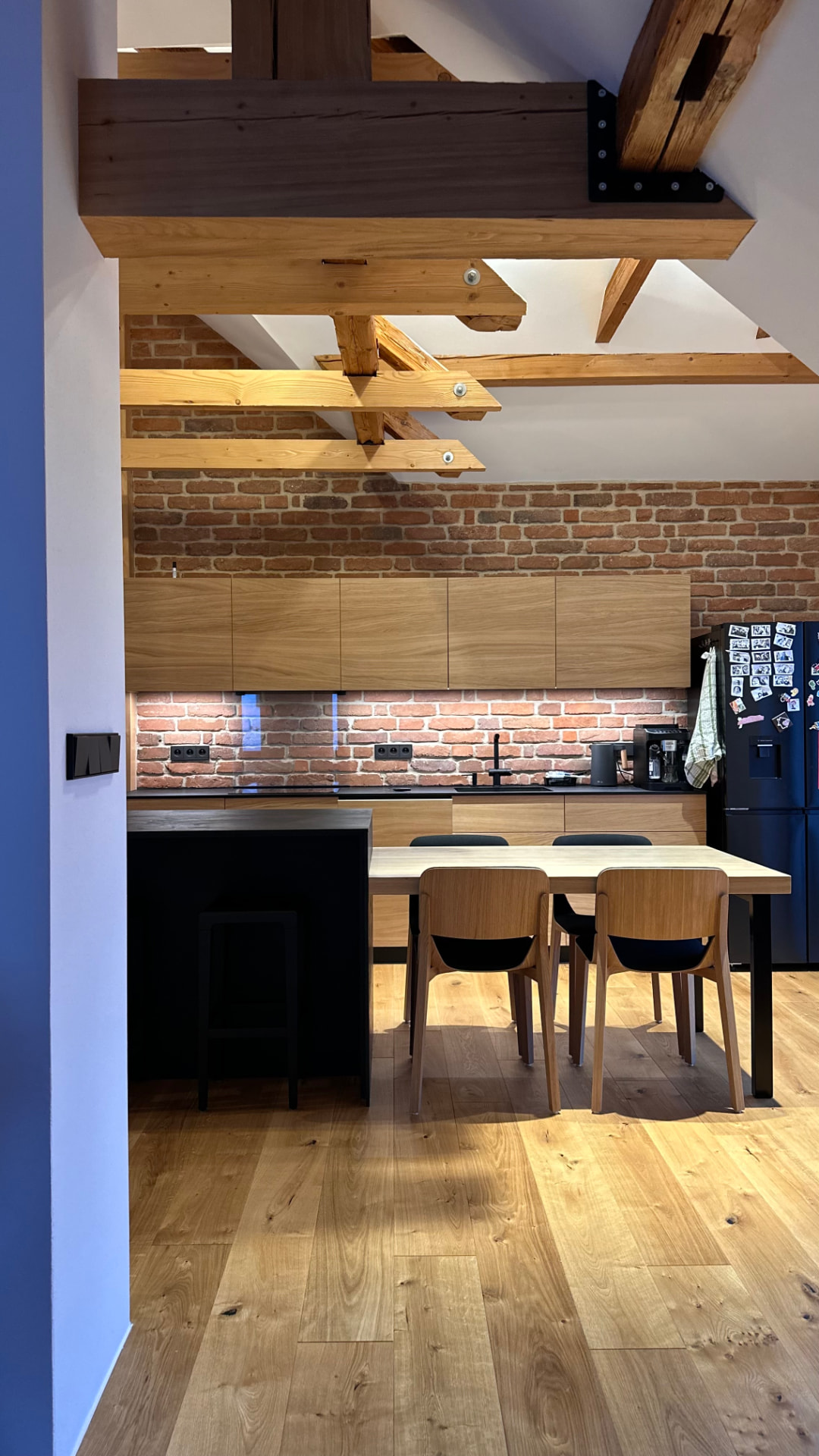
More than an interior trend
Wabi-sabi is a Japanese aesthetic outlook associated with impermanence, simplicity and acceptance of imperfection. It cannot be reduced to beige colours, rough plaster or buying the right vase. It is a way of looking: appreciating things that reveal their origin and the passage of time.
In architecture, this reminds us that a space need not be sterile to feel peaceful. A subtle irregularity in a handmade surface can be more engaging than an entirely smooth, flawless plane.
Materials that age well
Wood changes colour, stone acquires gentle traces of use and metal may develop a patina. Design is not just about appearance on handover day. We also ask how a material will look in ten years, how it is maintained and whether damage can be repaired.
Accepting ageing does not mean accepting poor construction. Damp, mould or an unsafe detail are not wabi-sabi. A sound technical foundation allows natural change to become a quality rather than a defect.
Fewer things, more attention
A calm interior does not come from removing everything. It comes from choosing which objects matter, what is genuinely needed and where space should remain empty. Proportion, light and the touch of a material are essential.
An old table can sit beside a contemporary kitchen. A new addition need not imitate the past; it can complement it thoughtfully. The relationship between old and new often gives a renovation its character.
Room for real life
A home is not a display case. It is a place for cooking, resting and working, gradually collecting traces of life. Wabi-sabi can inspire a design that accommodates these traces and does not look ruined after its first scratch.
It is neither a universal style nor a recipe. It offers a useful question: do we want a space that must continually return to its original state, or one that can naturally live alongside us?